

A white kitchen can be white lacquer, white laminate, white glass or pale wood veneer. Each one looks, feels and ages differently, so the finish shapes a kitchen as much as the color does.
Wood veneer, lacquer, laminate and glass are among the kitchen cabinet finishes we work with across our Italian kitchen cabinets from Stosa Cucine. Rather than ranking them, this article shows how we approach the decision with clients: starting with how the kitchen is used, how it is lit and what the cabinetry sits next to.
There is no single best finish. The right one depends on use, light, maintenance and the surrounding materials, and one kitchen can use more than one.
Questions we look at before choosing a finish
Showroom samples are seen in good light and hardly touched. At home, cabinet doors are opened every day, wiped after cooking and seen in changing light. These questions shape the decision before we compare samples:
- Which cabinets will be used most? Doors and drawers around the sink and cooktop are handled far more than wall cabinets, so they may call for a different finish.
- How much daylight does the room get, and from where? Light changes how gloss, matte and wood read through the day.
- Is the kitchen open to the living or dining area? If so, the cabinetry is seen alongside furniture, not just appliances.
- What will the cabinetry sit next to? The countertop, backsplash, flooring and appliances all change how a finish looks.
- How much visible wear are you comfortable with? Some people like a material that shows its age; others want the kitchen to look the same for years.
Finish works best when it is settled early, together with layout, lighting and countertops. Our article on kitchen remodeling mistakes to avoid before ordering Italian cabinets explains why.
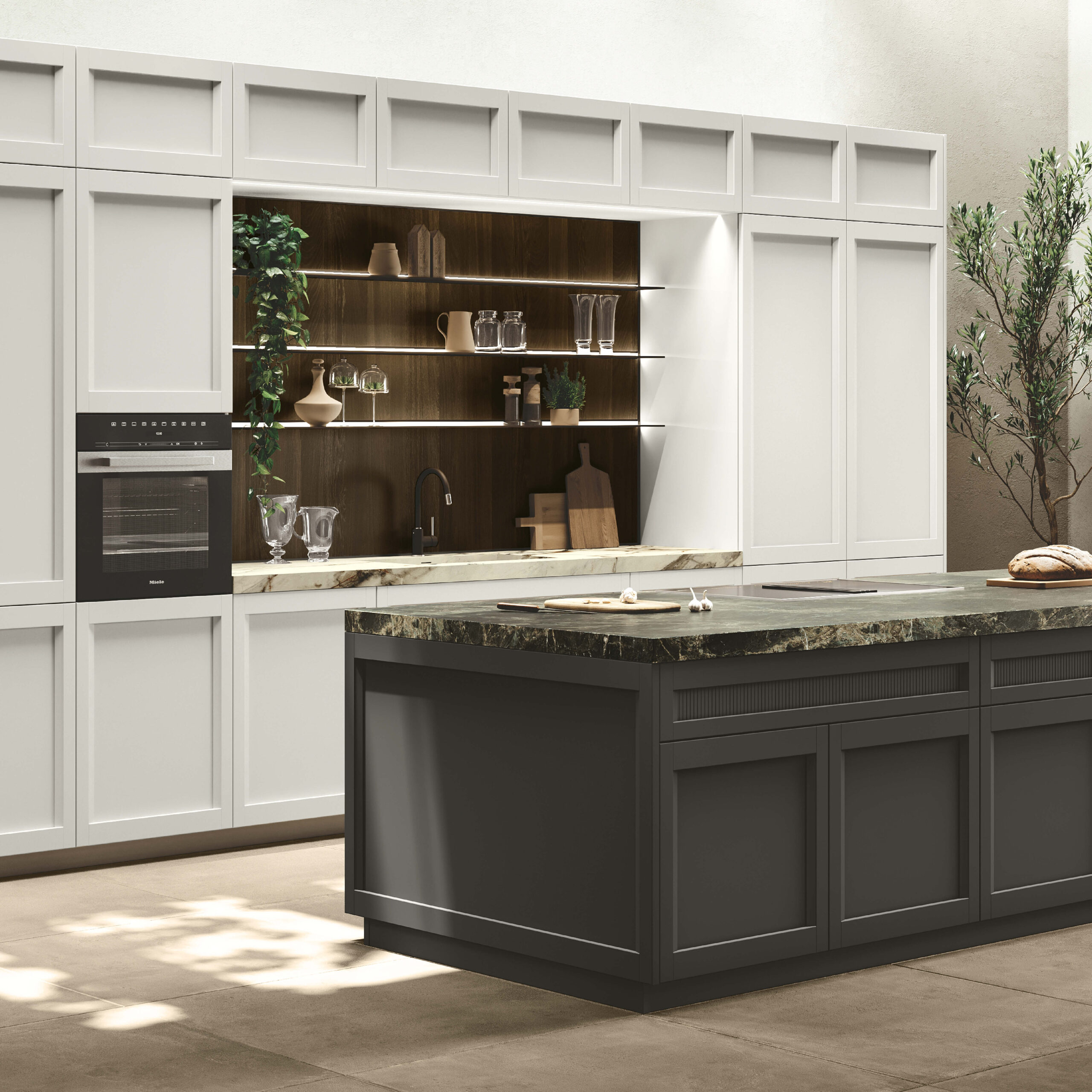
“A lot of clients assume they have to pick one finish for the whole kitchen. Some of our favorite projects mix two, like lacquer along the walls with a wood veneer island,” says Lena, interior designer at European Cabinets & Design Studios
Wood veneer cabinets
Wood veneer is a thin layer of real wood bonded to a stable panel. It brings genuine grain and texture to a flat door, and every panel is slightly different.
Wood veneer kitchen cabinets are often considered where warmth matters most, such as an island or cabinetry facing the living area. Like any natural wood, veneer can change tone with light and be marked by a hard knock, which is part of deciding where it goes.
Stosa Cucine’s Natural collection offers wood veneer cabinet doors in plain, slatted and reeded versions, which add texture without introducing another material.
Walnut or white oak veneer?
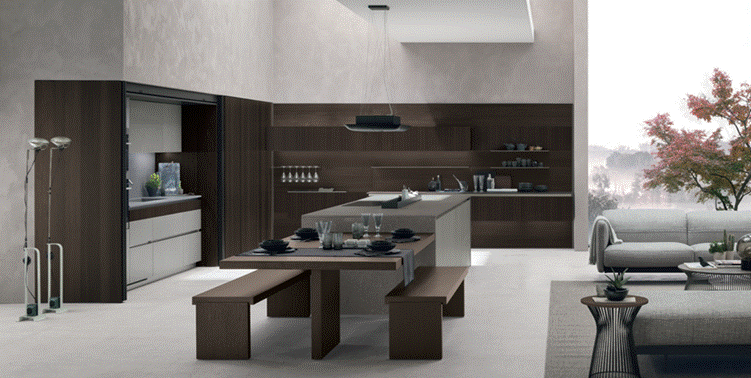
The species changes the character of the room. Walnut veneer cabinets read darker and richer, while light oak, such as white oak veneer cabinets, feels lighter and calmer. Walnut veneer kitchen cabinets can ground a light room on one element, or carry a whole kitchen where there is enough light.
In Stosa Cucine’s Natural collection, veneers include several oak shades, such as Rovere Sabbia, Rovere Malto and Rovere Cacao, as well as Noce Elegant walnut. Available species and shades vary by door style, so we confirm them for the line you are considering.
Lacquer cabinets
Lacquer is a colored coating sprayed onto a smooth panel in layers. It gives an even surface with no grain and a wide choice of color and sheen.
Matte lacquer has a soft, low-sheen look and tends to show fingerprints less. Gloss lacquer reflects light and makes color look deeper, but it also shows fingerprints and fine marks more readily. Which suits a kitchen, or whether to use both, depends on the light, how the cabinets are used and the look you want.
As a coating, lacquer can chip if an exposed edge takes a sharp knock, and abrasive cleaners can affect its sheen, so follow the manufacturer’s care guidance for your collection.
If you are considering Italian lacquer kitchen cabinets, Stosa Cucine’s Color Trend collection offers gloss or matte lacquered doors in a wide range of colors.
Laminate cabinets
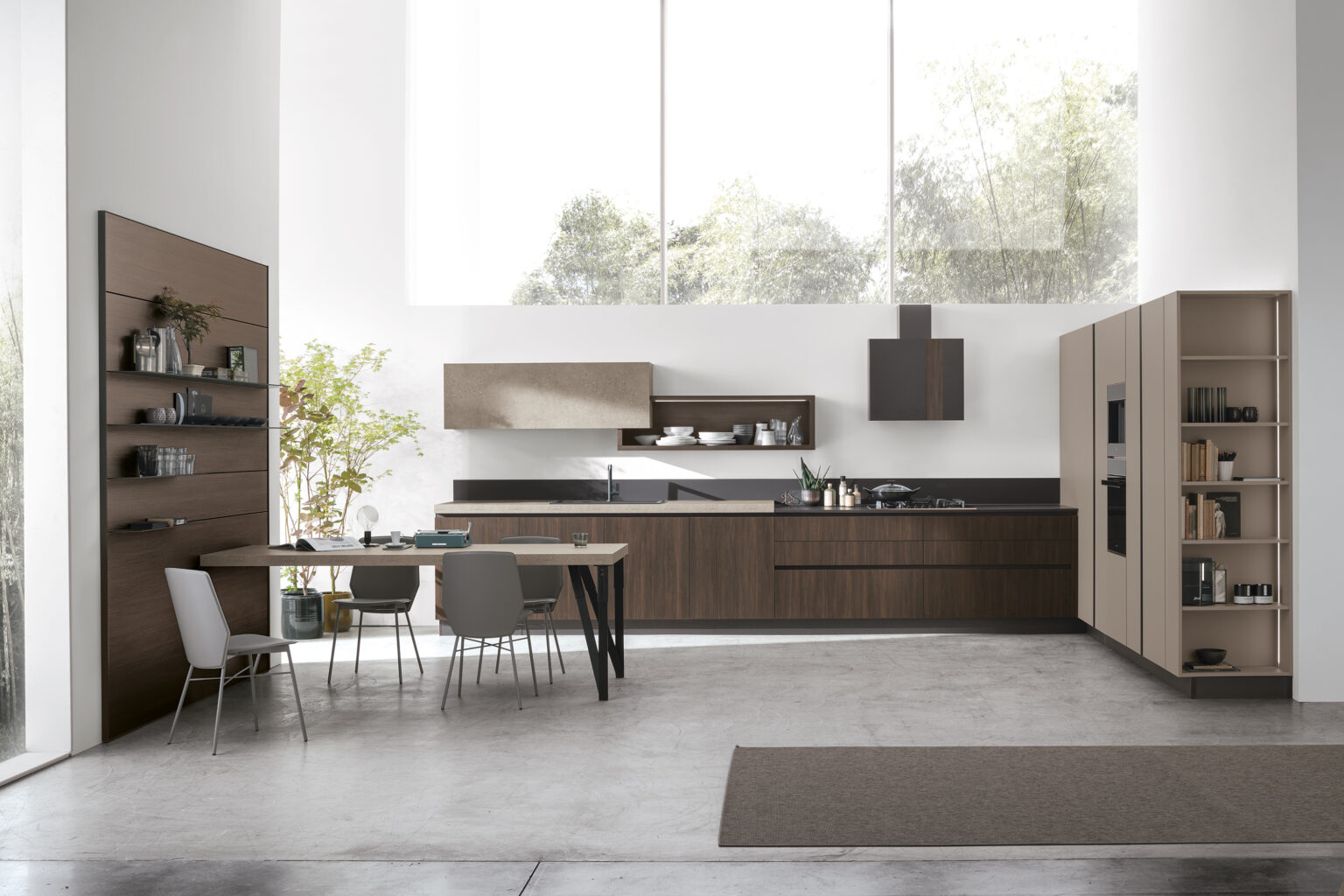
Laminate is an engineered surface made from layers of paper and resin pressed together under heat and pressure, then bonded to a panel. It comes in solid colors as well as wood, stone and textured effects, with consistent color from one door to the next.
Laminate is chosen for how it performs, not as a stand-in for another material. It can make sense on cabinets that see heavy daily use, or wherever a consistent, easy-to-clean surface matters. What a laminate resists depends on the product, so check the manufacturer’s information.
Stosa Cucine’s Aliant collection uses HPL, a high-pressure laminate that Stosa describes as strong and versatile. Fenix NTM, a matte laminate with a soft-touch surface, is one of the door finishes in Stosa Cucine’s Infinity collection.
Glass cabinet fronts
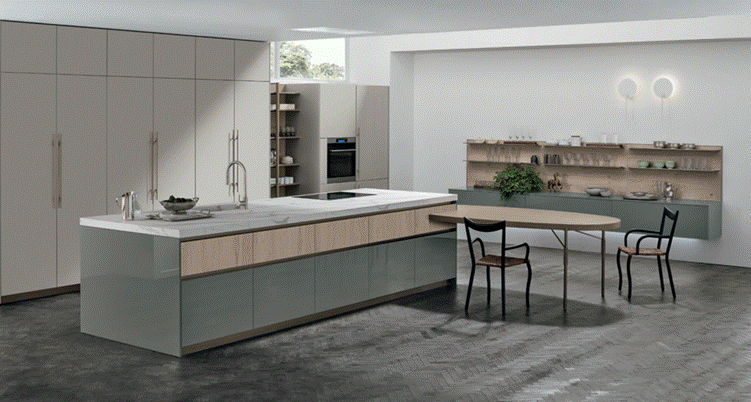
In this article, glass means lacquered or opaque glass fronts: solid cabinet doors with the color applied to the back of the glass, rather than clear display doors. These are often called lacquered glass cabinet doors.
Color seen through glass has depth and saturation. Glass is hard, non-porous and easy to wipe, in gloss or matte; gloss is very reflective and shows fingerprints. Like any glass, it can chip under a hard impact, so placement is part of the design conversation.
Stosa Cucine’s Aliant collection offers glass fronts in glossy and matte versions, as well as a ribbed Cannetè matte glass, alongside HPL laminate and Neolith sintered stone.
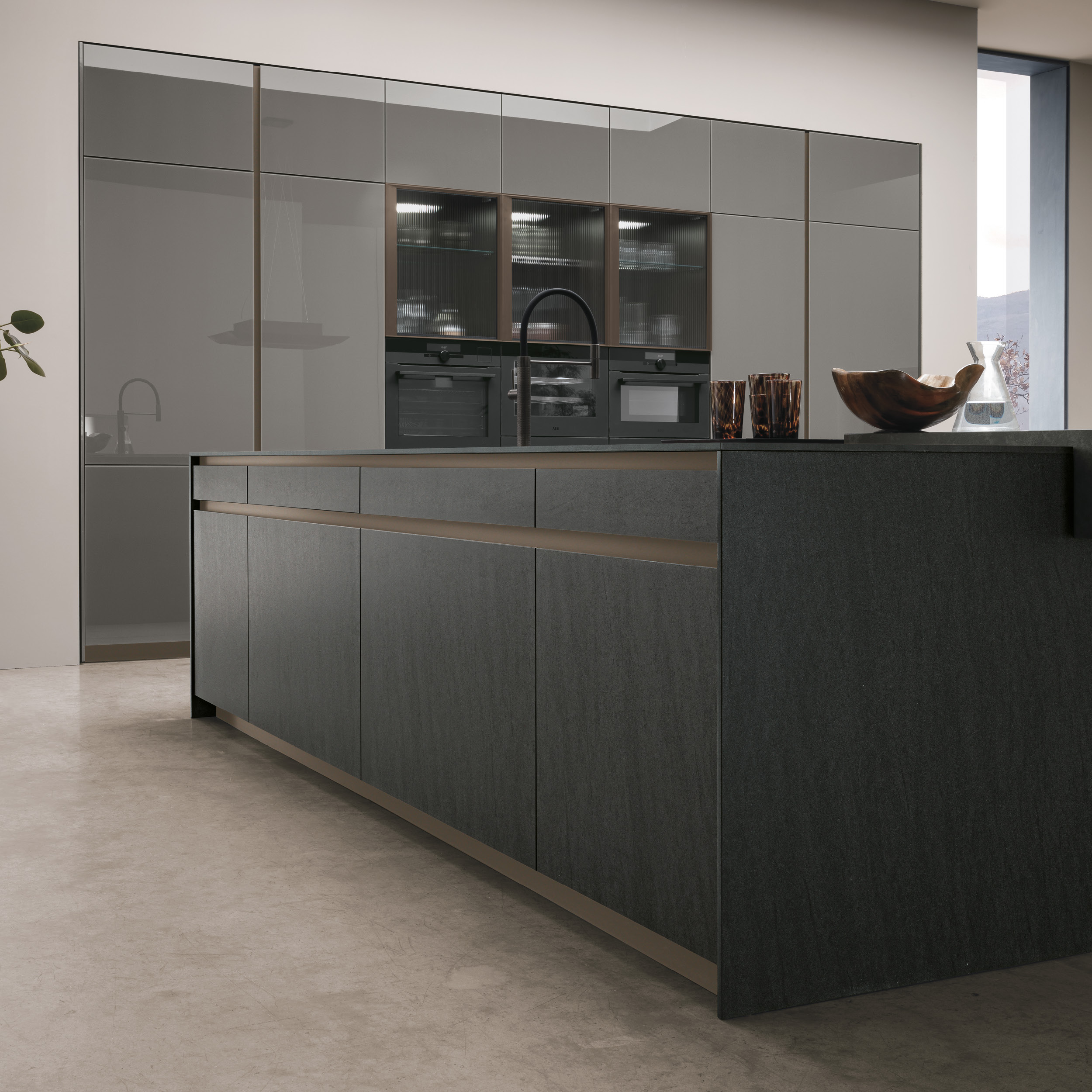
Comparing finishes for your kitchen
Wood veneer vs laminate cabinets
Wood-effect laminate and real veneer can look alike in photos. In person, veneer shows real grain depth and variation, while laminate offers a consistent pattern. The choice comes down to how much natural character you want and how hard that area is used, so compare both samples side by side.
Lacquer vs wood veneer cabinets
This is mostly a choice between color and wood grain. The two also work well together, for example a run of lacquer cabinets alongside a wood veneer island.
Lacquer vs laminate kitchen cabinets
Both give a clean, solid-color front. Lacquer offers more control over color and sheen; laminate offers a consistent, easy-to-clean surface. Which matters more depends on the color you want and how that area is used.
How light, layout and adjoining materials shape the choice
The same finish can look quite different from one home to another, so we look at it in the context of the whole room.
In bright kitchens with large windows or sliding doors, gloss reflects sunlight and can create glare, while matte softens it. Gloss lacquer and glass also reflect LED strips and spotlights, so lighting and finish are best planned together.
In a kitchen open to the living area, the cabinetry is seen alongside furniture, and the finish affects how the kitchen sits in that space.
Countertop, backsplash and flooring change how any finish reads, so we compare them together using real samples. Stone countertops are typically templated once the cabinetry is installed, so the two are connected in practice as well as in design. Where stone is part of the project, our affiliated company Bay StoneWorks handles templating, fabrication and installation. Where the project includes architecture or construction, our affiliated company Miracle Builders Group is involved in those stages, so finish decisions can be coordinated with the rest of the build.
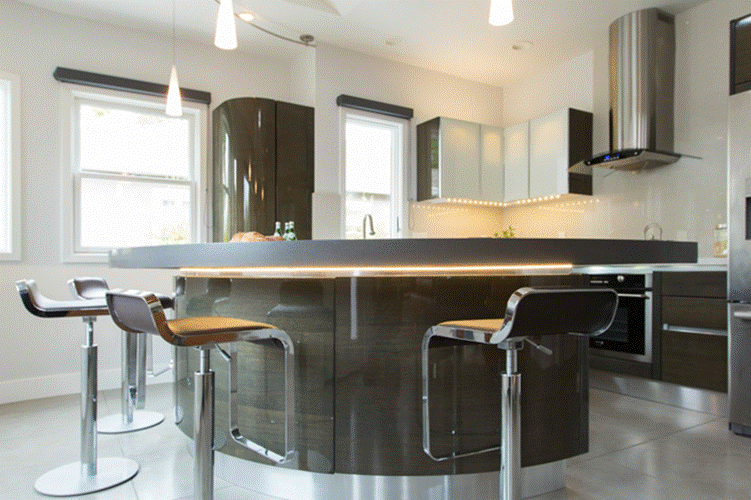
Combining finishes in one kitchen
Using more than one finish lets different parts of a kitchen do different jobs. A common approach is to use a calm, hard-wearing finish on the most-used runs of cabinetry and save a more characterful material for the element you want people to notice.
For example, gloss or matte lacquer along the walls can be paired with a wood veneer island, such as Color Trend lacquer with a Natural veneer island in a Stosa Cucine kitchen. Gloss fronts reflect light around the room and pick up under-cabinet lighting, while wood adds contrast and warmth. Glass or laminate can do the same job where an easy-to-clean surface matters more.
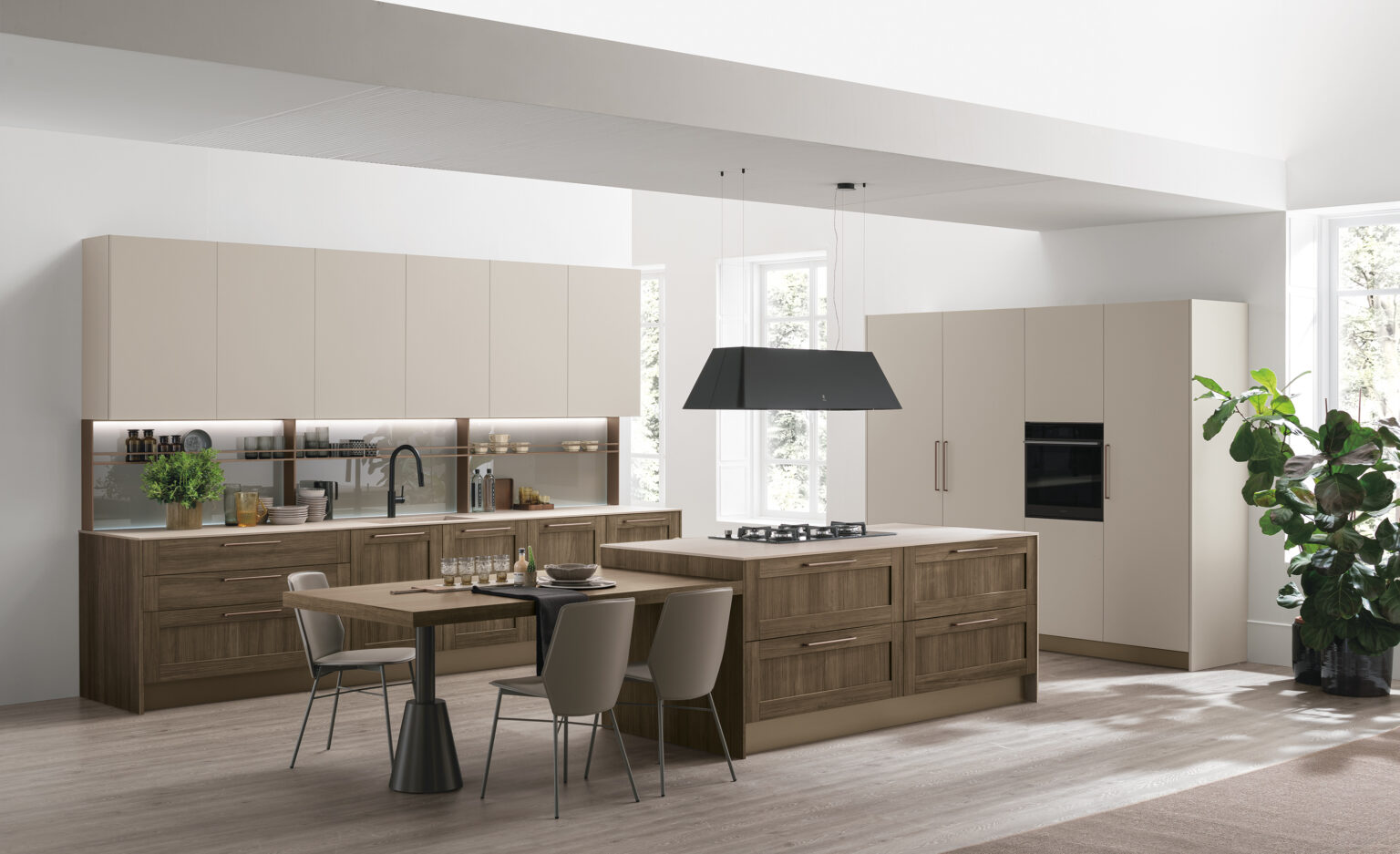
How finishes are combined depends on the project: which elements should stand out, which cabinets are handled most and how the kitchen connects to the rooms around it. Door style is part of the same decision; for slab versus grooved or reeded fronts, see flat-panel vs textured Italian kitchen cabinets.
See the finishes in person
Finishes are hard to judge on a screen: matte and gloss look closer in photos than in person, and veneer and wood-effect laminate can be hard to tell apart. Seeing samples next to your countertop and flooring options makes the decision much clearer.
The finish is also one of the factors behind the cost of European kitchen cabinets, together with layout, materials and installation, and every ECDS client receives an itemized quote.
To compare finishes for your own project, book a design consultation or visit our Palo Alto showroom. Current showroom hours and location are on our contact page.
Frequently asked questions
How do I choose a finish for my kitchen cabinets?
Start with how each part of the kitchen is used, the light it gets, the upkeep you are comfortable with and the materials around it, then compare real samples side by side.
Is wood veneer or laminate better for kitchen cabinets?
Neither is better overall. Veneer offers real grain and natural variation; laminate offers consistent color and an easy-to-clean surface. It depends on the look you want and how that area is used.
Should I choose matte or gloss lacquer for my kitchen?
Matte shows fingerprints and glare less; gloss reflects light and makes color look deeper. The room’s light and how often the cabinets are handled guide the choice, and the two can be combined.
What are lacquered glass cabinet fronts?
They are solid cabinet doors with color applied to the back of the glass, rather than clear display doors. The color looks deep and saturated, and the surface is hard and easy to wipe.
Can you mix wood veneer and lacquer in one kitchen?
Yes. A common combination is lacquer cabinetry along the walls with a wood veneer island, so the lacquer keeps the main runs calm and easy to clean while the veneer adds warmth where it is most visible.
Where can I see Italian cabinet finishes in person in the Bay Area?
At the European Cabinets & Design Studios showroom in Palo Alto. Current hours are on our contact page, or you can book a design consultation to compare finishes for your project.