

If you’re planning a kitchen renovation, one of the first questions you may ask is: how much do European kitchen cabinets cost? The honest answer is that there is no single fixed price. European kitchen cabinetry is usually priced based on the full project scope, not just the cabinets alone.
The final cost can vary depending on the kitchen layout, cabinetry system, finishes, storage features, appliances, hardware, installation needs, and the level of design support required. A compact kitchen with simple cabinet runs will be very different from a full luxury kitchen with integrated appliances, custom storage, premium finishes, and detailed installation requirements.
This guide explains the main factors that affect the cost of European kitchen cabinets in 2026, so you can understand what shapes the investment before requesting a design consultation.
Why European Kitchen Cabinet Costs Vary So Much
European kitchen cabinets are known for their clean lines, frameless construction, modern proportions, and smart storage. Unlike basic off-the-shelf cabinet systems, many European cabinetry projects are planned around the exact room, the homeowner’s lifestyle, and the overall design of the home.
That means pricing is rarely based on one simple number. Two kitchens may look similar in size but have very different costs because of the details behind the design.
For example, the price can change based on:
- The number of cabinet units needed
- Whether the kitchen includes tall pantry cabinets
- The type of drawers and internal organizers selected
- The finish, texture, and material of the cabinet fronts
- Whether appliances are built-in or panel-ready
- The complexity of the installation
- The level of customization needed for the space
This is why it is better to think about European kitchen cabinet pricing as a project-based estimate rather than a fixed product price.
1. Kitchen Size and Layout
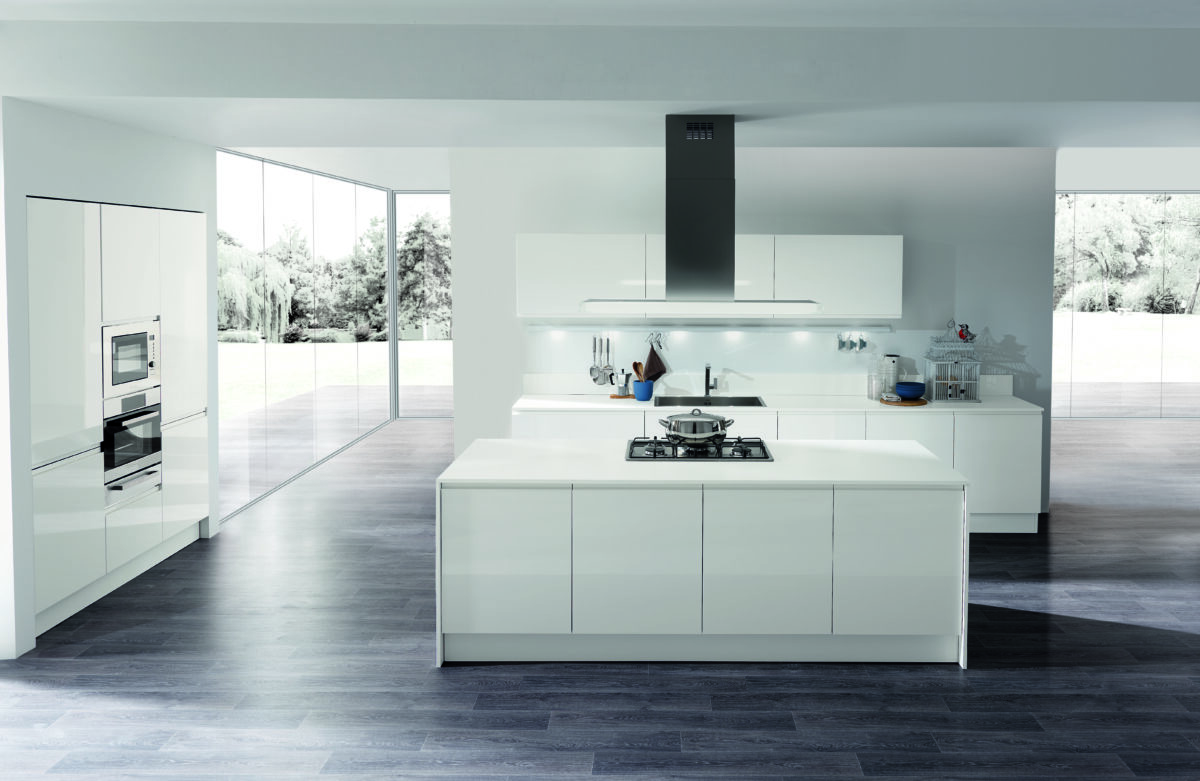
The size of the kitchen is one of the biggest cost factors, but it is not the only one. A larger kitchen usually needs more cabinet units, more panels, more hardware, and more installation time. However, layout complexity can matter just as much as square footage.
A simple straight-line kitchen may be more straightforward to plan and install. An L-shaped, U-shaped, or island kitchen may require more cabinet sections, corner solutions, appliance integration, and custom planning.
Kitchen islands can also affect the overall investment. An island may include storage, seating, a cooktop, a sink, lighting, or paneling on multiple sides. These details can make the kitchen more functional, but they also add to the design and installation scope.
If you are exploring a more refined, modern layout, European kitchen cabinets can be a strong choice because they are designed for clean structure, efficient storage, and a polished architectural look.
2. Cabinet System and Construction
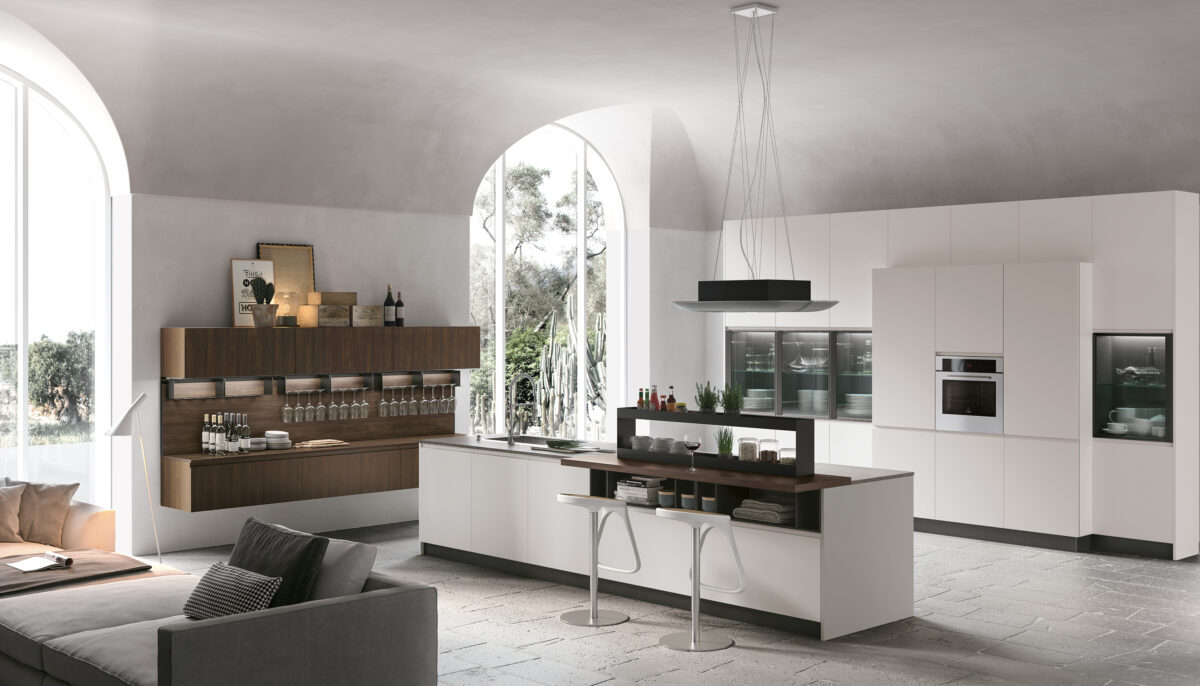
European cabinets often use frameless construction, which creates a cleaner look and allows better access to interior storage. This construction style is one reason European kitchens feel sleek and efficient.
The cabinet system itself can influence the project cost. Some systems are more standard, while others allow more advanced planning, custom dimensions, premium drawer systems, integrated lighting, and specialized storage features.
A kitchen with basic base and wall cabinets will not be priced the same as a kitchen with full-height storage walls, hidden appliance zones, internal drawer systems, pocket doors, and custom organization.
The more the cabinetry is designed around exact use and visual detail, the more planning and precision are required.
3. Materials and Finishes
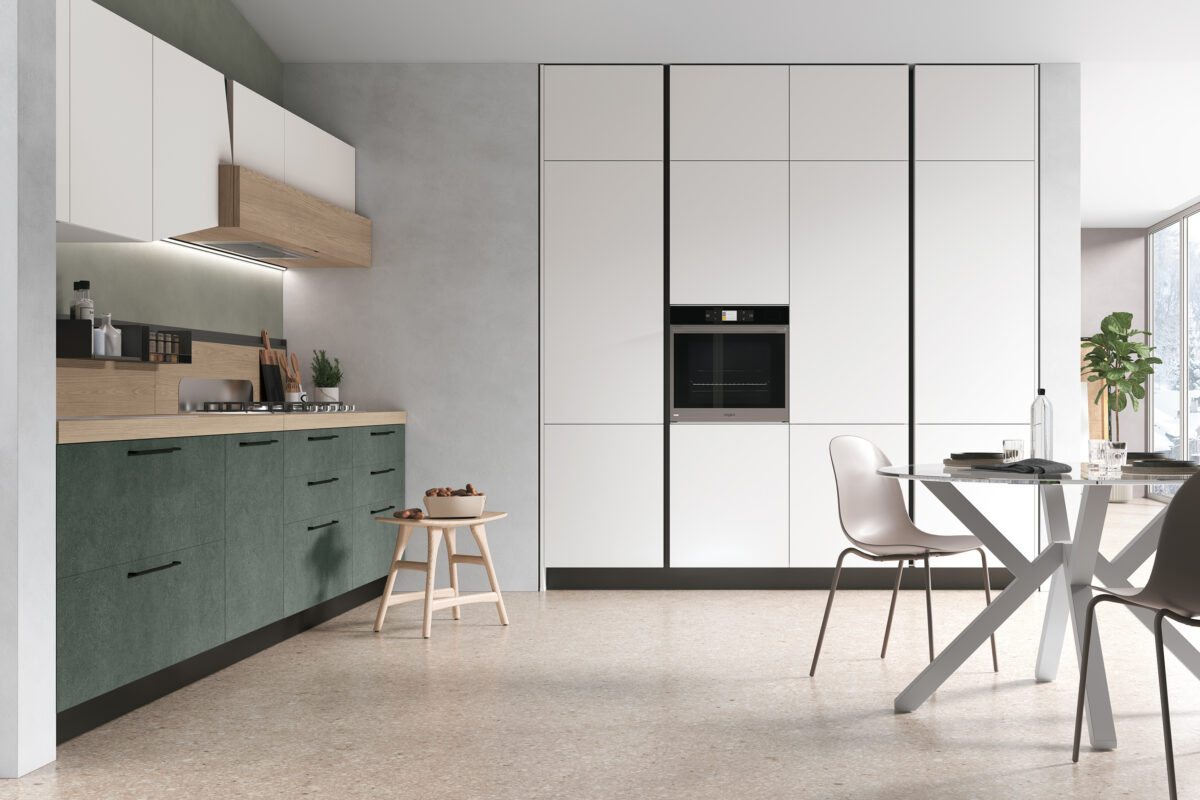
Materials and finishes play a major role in the final quote. European cabinets can include matte finishes, textured laminates, wood veneers, lacquered surfaces, glass, metal accents, and other premium design options.
A simple matte finish may create a clean modern look, while a wood veneer can add warmth and depth. High-gloss finishes, specialty textures, or premium surface treatments may require more advanced production and handling.
The finish also affects how the kitchen feels. A soft neutral palette may create a calm minimalist space, while darker tones or wood grain can make the kitchen feel warmer and more dramatic.
For homeowners interested in elevated design, Italian kitchen design often focuses on the balance between material quality, visual simplicity, and long-term function.
4. Storage Features and Interior Organization
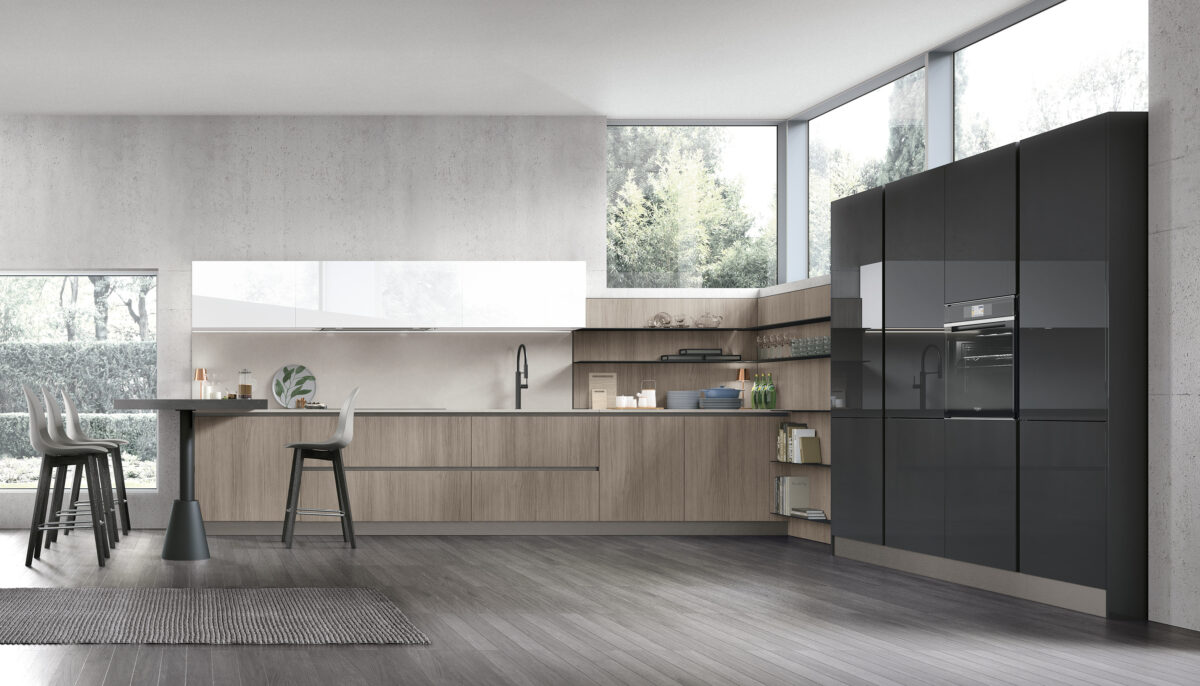
One of the biggest benefits of European kitchen cabinetry is how well it supports storage. But storage features can also affect cost.
Basic cabinets provide standard storage, while more advanced systems may include:
- Deep drawer storage
- Pull-out pantry units
- Corner storage systems
- Integrated waste and recycling bins
- Cutlery and utensil organizers
- Appliance garages
- Hidden charging areas
- Tall pantry walls
- Lift-up wall cabinet mechanisms
These features improve daily use, especially in busy kitchens. They help keep countertops clear and make the kitchen easier to maintain. However, each added feature changes the scope of the cabinetry package.
This is why a low-detail cabinet quote and a fully planned European kitchen quote should not be compared as if they are the same product.
5. Appliances and Integration
Appliances have a major impact on European kitchen cabinet planning. Built-in refrigerators, wall ovens, induction cooktops, dishwashers, wine storage, ventilation systems, and coffee machines all need to be planned correctly.
Panel-ready appliances can make the kitchen look cleaner because they blend into the cabinetry. But they also require accurate measurements, proper panel design, and careful installation.
Ventilation is another important factor. A visible hood, concealed hood, or integrated ventilation system can change the cabinet layout and surrounding design.
If the project includes premium appliances, the cabinetry should be planned around them from the beginning. European Cabinets & Design Studios also offers kitchen appliances that can be coordinated with the cabinetry, layout, and overall kitchen design.
6. Hardware and Opening Systems
Hardware may seem like a small detail, but it affects both cost and usability. European kitchens often use high-quality hinges, drawer runners, soft-close systems, push-to-open mechanisms, and handleless profiles.
A handleless kitchen, for example, may require a different cabinet structure than a standard handle-based design. Integrated pulls, recessed channels, and push-latch systems all create a cleaner appearance, but they also require more planning.
Soft-close drawers, lift-up doors, and premium internal fittings can improve the experience of using the kitchen every day. These details are part of what makes European cabinets feel refined and long-lasting.
7. Customization Level
The more customized the kitchen is, the more the cost will depend on the specific design. Customization may include special cabinet dimensions, unique finishes, integrated lighting, matching wall panels, hidden storage, custom island details, or built-in appliance solutions.
Custom cabinetry is valuable when the kitchen has unusual measurements, a specific design vision, or high expectations for fit and finish. It can also help create a more cohesive look between the kitchen, living area, dining area, and other parts of the home.
This is especially important in open-concept homes, where the kitchen is visible from the main living space. In these cases, the cabinetry needs to look like part of the architecture, not just storage placed along the wall.
8. Installation Requirements
Installation is another major factor. European kitchen cabinets require precise fitting, especially when the design includes frameless construction, integrated appliances, tall panels, concealed hardware, or exact alignments.
The condition of the space can also affect installation. Uneven walls, flooring changes, plumbing adjustments, electrical work, lighting coordination, and appliance placement can all influence the final scope.
A premium kitchen should not be planned only around the cost of cabinets. The installation quality matters because even the best cabinetry can look wrong if it is not installed correctly.
Professional installation helps ensure that doors align properly, drawers move smoothly, panels sit cleanly, and appliances fit as intended.
9. Design Support and Project Scope
The level of design support also affects the overall project. A basic cabinet order is not the same as a complete kitchen design process.
A full European kitchen project may include layout planning, finish selection, appliance coordination, storage planning, technical measurements, order management, delivery planning, and installation coordination.
This matters because homeowners are not only buying cabinets. They are investing in a kitchen that needs to work correctly for years.
European Cabinets & Design Studios works with homeowners, architects, designers, and builders to create modern European and Italian kitchens with a complete design approach. For those comparing styles, contemporary Italian kitchens can offer useful inspiration for clean, functional, and high-end kitchen planning.