

When planning a kitchen remodel or new construction in Palo Alto, Silicon Valley, or the greater San Francisco Bay Area, choosing the right cabinetry is one of the most important design decisions you will make.
The two most common options homeowners compare are European kitchen cabinets and standard (framed, traditional American-style) cabinets. While they may serve the same basic function, they differ significantly in construction, design, storage efficiency, customization, and long-term value.
This guide breaks down the key differences to help you choose the right solution for your kitchen and lifestyle.
What Are European Kitchen Cabinets?
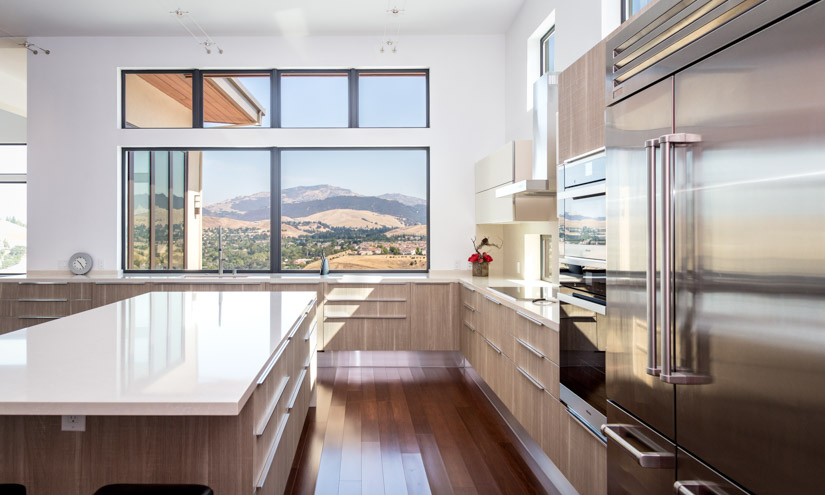
European kitchen cabinets are known for their modern, clean, and highly functional design approach. They are widely used in luxury homes and contemporary kitchen renovations because of their minimalist aesthetic and efficient use of space.
One of the most defining features of European cabinetry is its frameless construction, which removes the face frame found in traditional cabinets. This creates a more seamless look and increases usable storage space inside the cabinet.
European design is strongly associated with precision manufacturing, refined finishes, and modern functionality and is often seen in high-end homes. Many homeowners exploring Italian kitchen cabinets are actually choosing a European system, since Italy is one of the leading regions for advanced modern cabinet design and manufacturing.
These cabinets are especially popular in modern architectural homes where clean lines and open layouts are a priority.
What Are Standard Kitchen Cabinets?
Standard cabinets, also known as framed or traditional cabinets, are the most common type found in American homes. They feature a face frame on the front of the cabinet box, which provides structural support but slightly reduces interior storage space.
These cabinets are often associated with more classic or traditional kitchen styles and are widely available in stock or semi-custom formats. While they are practical and cost-effective, they tend to have a more decorative and less streamlined appearance compared to European systems.
For homeowners who prefer a timeless, classic design approach, standard cabinetry may feel more familiar and traditional in style.
Frameless Cabinets vs Framed Cabinets
One of the most important distinctions between the two systems is construction type.
European (Frameless) Cabinets
- No face frame
- Full access to cabinet interior
- Cleaner, modern appearance
- Maximized storage space
- Tight, precise door alignment
Standard (Framed) Cabinets
- Visible face frame structure
- Slight reduction in storage space
- Traditional appearance
- Strong structural support
- Slightly more flexible installation options
This difference, commonly referred to as frameless cabinets vs framed cabinets, is one of the biggest reasons homeowners choose European systems in modern kitchen remodels.
Design and Aesthetic Differences
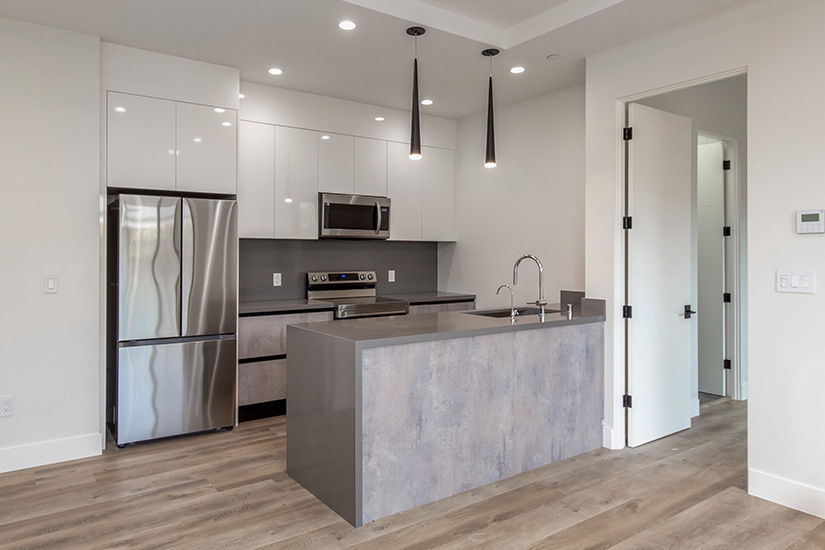
European cabinets are designed with a strong focus on minimalism and modern luxury. The aesthetic is clean, simple, and highly functional, making them a popular choice for upscale renovations.
If you are exploring a full kitchen redesign, modern kitchen cabinets often follow European design principles such as flat-panel doors, handleless systems, and seamless integration with appliances.
Standard cabinets, on the other hand, lean toward traditional aesthetics. They often include:
- Raised panel or shaker doors
- Decorative moldings
- Visible handles and hardware
- More detailed design elements
If you prefer a more classic and timeless look, you may also find inspiration in traditional kitchens, which emphasize warmth, detail, and familiar design patterns.
Materials and Build Quality
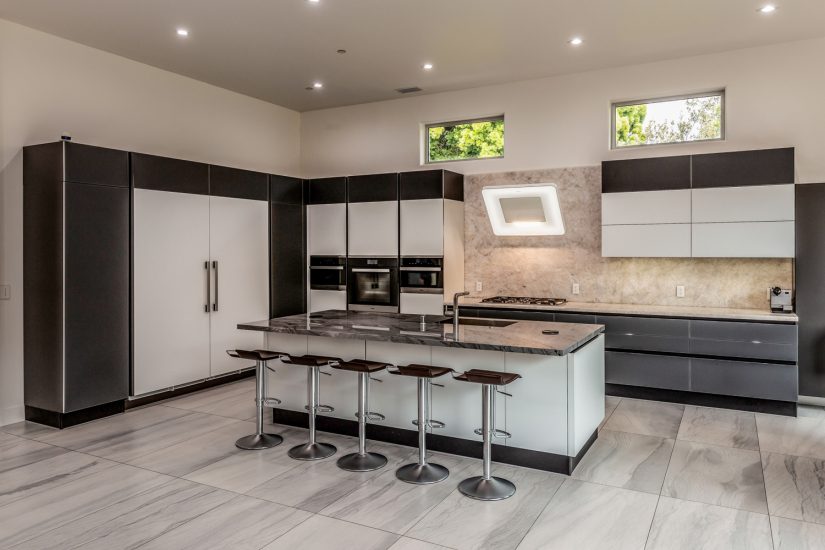
Both European and standard cabinets can be built using durable materials, but their construction philosophy is different.
European cabinets typically use:
- High-density engineered wood
- Precision-cut panels
- Premium lacquer, matte, or veneer finishes
- Advanced European hardware systems
Standard cabinets may use:
- Solid wood frames (in some cases)
- MDF or plywood panels
- Basic hinge and drawer systems
While both can be durable, European cabinets are often engineered with tighter tolerances and smoother functionality, which contributes to a more refined user experience over time.
Storage and Functionality
One of the biggest advantages of European cabinetry is efficiency of space.
Because frameless construction removes internal obstructions, european kitchen cabinets provide:
- More usable storage space
- Easier access to contents
- Better organization systems
- Modular interior configurations
- Improved drawer functionality
This is especially valuable in Bay Area homes where maximizing kitchen space, storage, and functionality is essential.
To further enhance both design and function, many homeowners pair cabinetry with custom countertops to create a seamless, high-end kitchen layout that improves workflow and aesthetics.
Cost Differences
Cost is often a deciding factor between European and standard cabinets.
European cabinets are generally more expensive due to:
- Advanced manufacturing processes
- Higher-end materials and finishes
- Custom design flexibility
- Precision engineering standards
Standard cabinets are typically more budget-friendly upfront, making them attractive for basic remodels or rental properties. However, they may offer fewer customization options and a less premium finish.
Customization and Flexibility
European cabinetry offers a high level of customization within a structured cabinet system.
Common customization options include:
- Fully tailored kitchen layouts
- Integrated appliance panels
- Hidden storage solutions
- Pull-out pantry systems
- Custom finishes and textures
This level of flexibility allows homeowners to design highly personalized kitchens that match both lifestyle and architectural requirements.
For inspiration on premium European manufacturing styles, many homeowners explore Italian kitchen cabinets, which are known for combining design innovation with advanced functionality.
Standard cabinets are more limited in customization and are often restricted to predefined sizes and configurations.
Which Option Is Better for Your Kitchen?
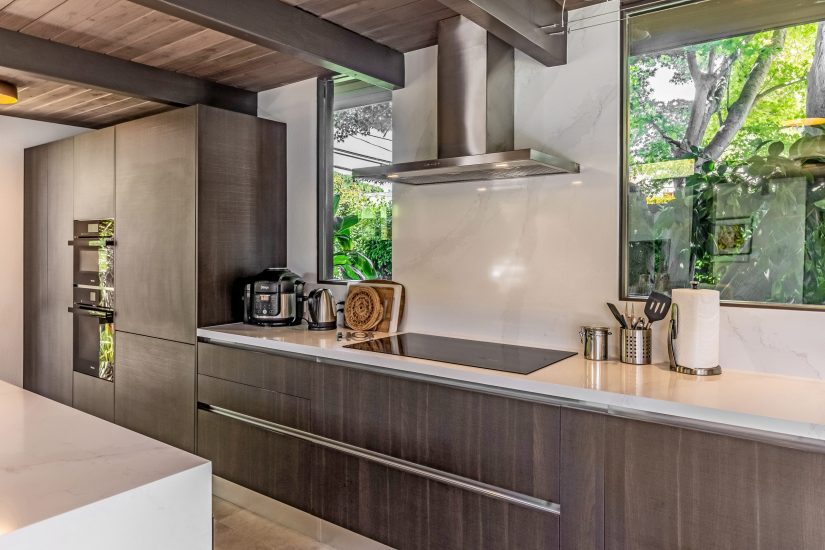
The right choice depends on your goals, budget, and design priorities.
European kitchen cabinets may be the better fit if you want a modern or traditional luxury kitchen design, efficient storage, integrated appliances, refined finishes, and a more streamlined cabinet system.
Standard cabinets may be the better fit if you prefer a lower upfront cost, quick availability, or a cabinet style that feels familiar within a classic home.
Why European Cabinets Are Popular in Luxury Markets
In cities like Palo Alto and Cupertino, European-style kitchens have become increasingly popular due to their ability to combine design and functionality.
Homeowners choose European kitchen cabinets because they:
- Increase property value
- Align with modern architectural trends
- Offer superior space efficiency
- Deliver a clean, luxury aesthetic
- Appeal to high-end buyers in competitive markets
These advantages make them especially attractive in real estate markets where kitchen design plays a major role in home valuation.
Conclusion
The difference between European and standard cabinets goes far beyond appearance. It impacts how your kitchen functions, how much storage you have, and how your home feels overall.
If your goal is to create a modern, high-end kitchen with long-term value, European cabinetry is one of the strongest options available today. It offers a combination of design precision, functionality, and customization that standard cabinets often cannot match.
For homeowners planning a kitchen remodel in the Silicon Valley, European Cabinets & Design Studios can help you compare European cabinet systems, finishes, storage options, and layouts in person. Visit our Palo Alto showroom to explore modern kitchen cabinetry and see which direction is right for your home.