

Custom Kitchen Cabinets vs Italian Kitchen Cabinets: Which Is Right for Your Remodel?
Cabinets are one of the biggest decisions in any kitchen remodel. They affect the look of the space, the way the kitchen works day to day, and how much of your budget goes into cabinetry.
Two premium options often come up during the planning stage: custom kitchen cabinets built by a local shop, and Italian kitchen cabinets made to order by European manufacturers. Both can deliver a high-end result, but they differ in quality control, design process, timeline, and overall value.
This guide compares both options so you can choose the right direction for your home.
What Are Custom Kitchen Cabinets?
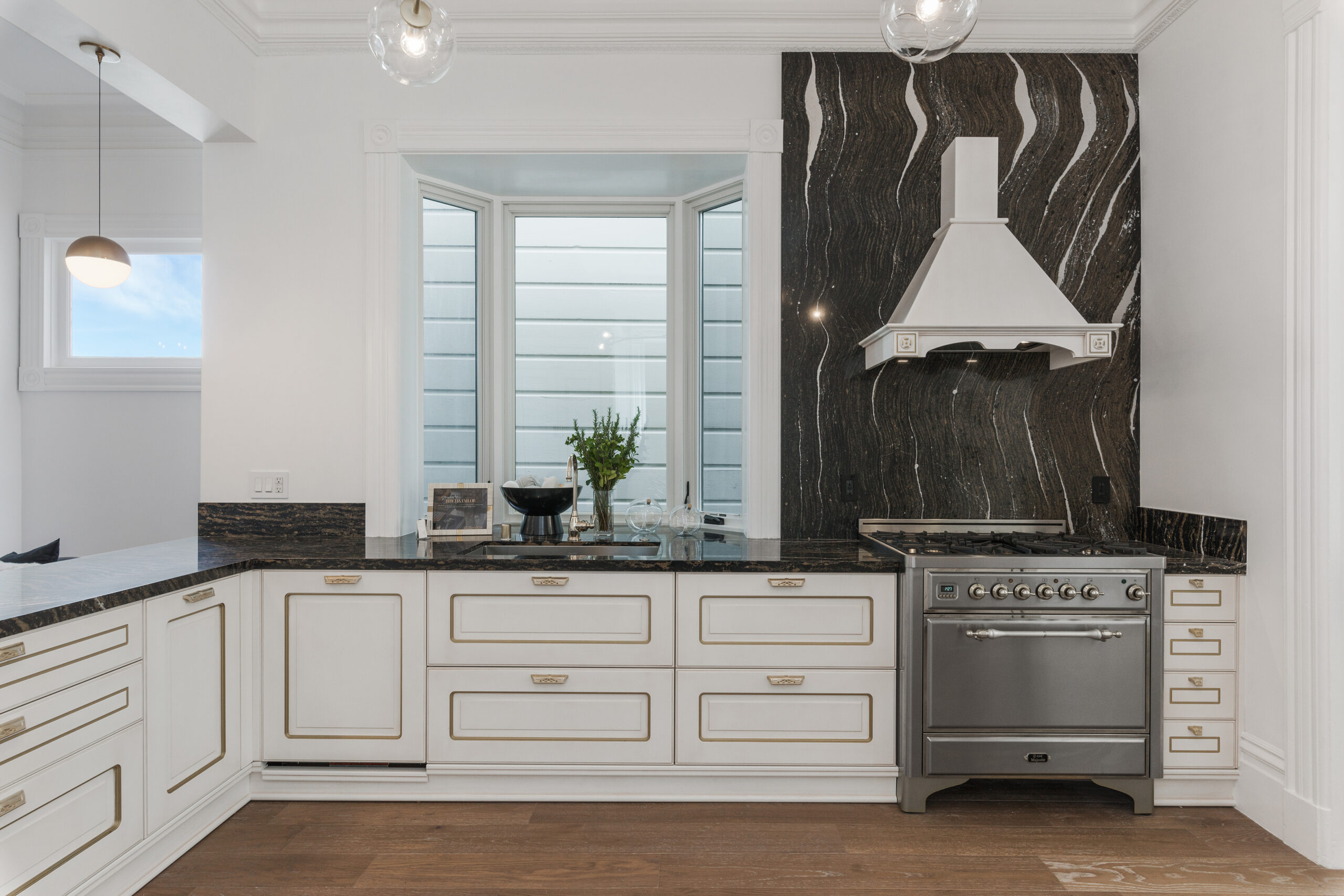
Custom kitchen cabinets are built to order by a local cabinetmaker or custom shop. Unlike stock or semi-custom cabinets, they are not limited to fixed sizes or standard layouts. The builder works from your measurements, design preferences, and project requirements.
This makes custom cabinetry useful for kitchens with unusual layouts, non-standard ceiling heights, structural obstacles, or very specific design details that cannot be handled with standard cabinet sizes.
The main challenge is consistency. A skilled cabinetmaker can produce excellent work, but quality can vary from one shop to another. You may need to review portfolios, check references, compare materials, and confirm exactly what hardware, drawer systems, finishes, and installation standards are included.
Custom cabinetry can also require more project coordination. In many cases, the homeowner or general contractor has to manage the cabinetmaker, countertop fabricator, installer, and other trades separately.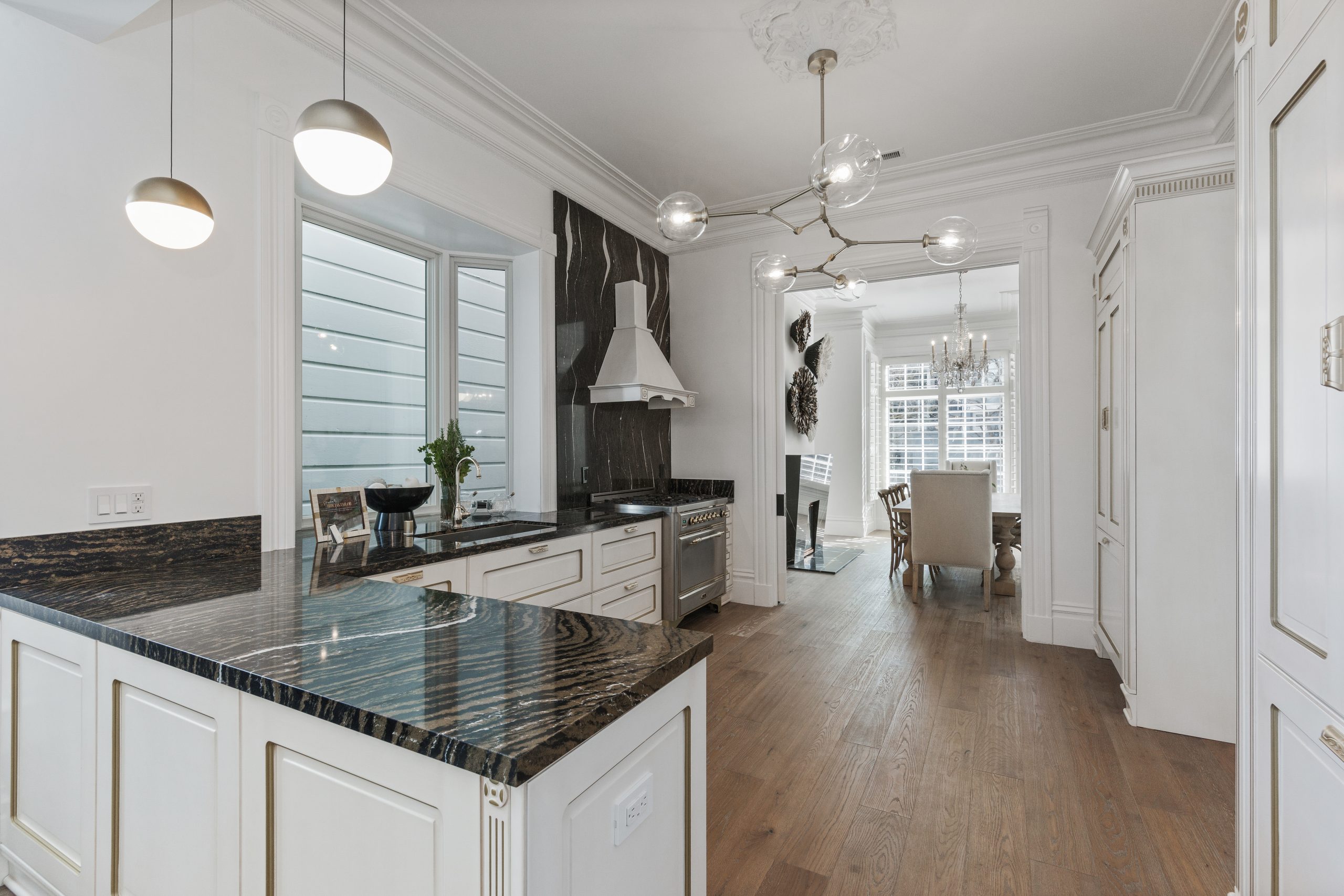
What Are Italian Kitchen Cabinets?
Italian kitchen cabinets are made to order by specialist manufacturers in Italy. They are not basic stock cabinets. They are built within a structured system of cabinet sizes, finishes, layouts, and components that are engineered to work together.
This is one of the biggest differences between Italian and custom cabinets. With Italian cabinetry, the design flexibility comes from a refined modular system, not from building every piece from scratch. That gives homeowners a wide range of choices while keeping the final result consistent.
Italian manufacturers such as ARAN Cucine and Stosa Cucine are known for clean lines, frameless construction, integrated hardware, soft-close systems, and finishes that support a modern European look. If you are planning a contemporary remodel, exploring modern kitchen designs can help you understand how these cabinet systems work in real homes.
Design and Aesthetic
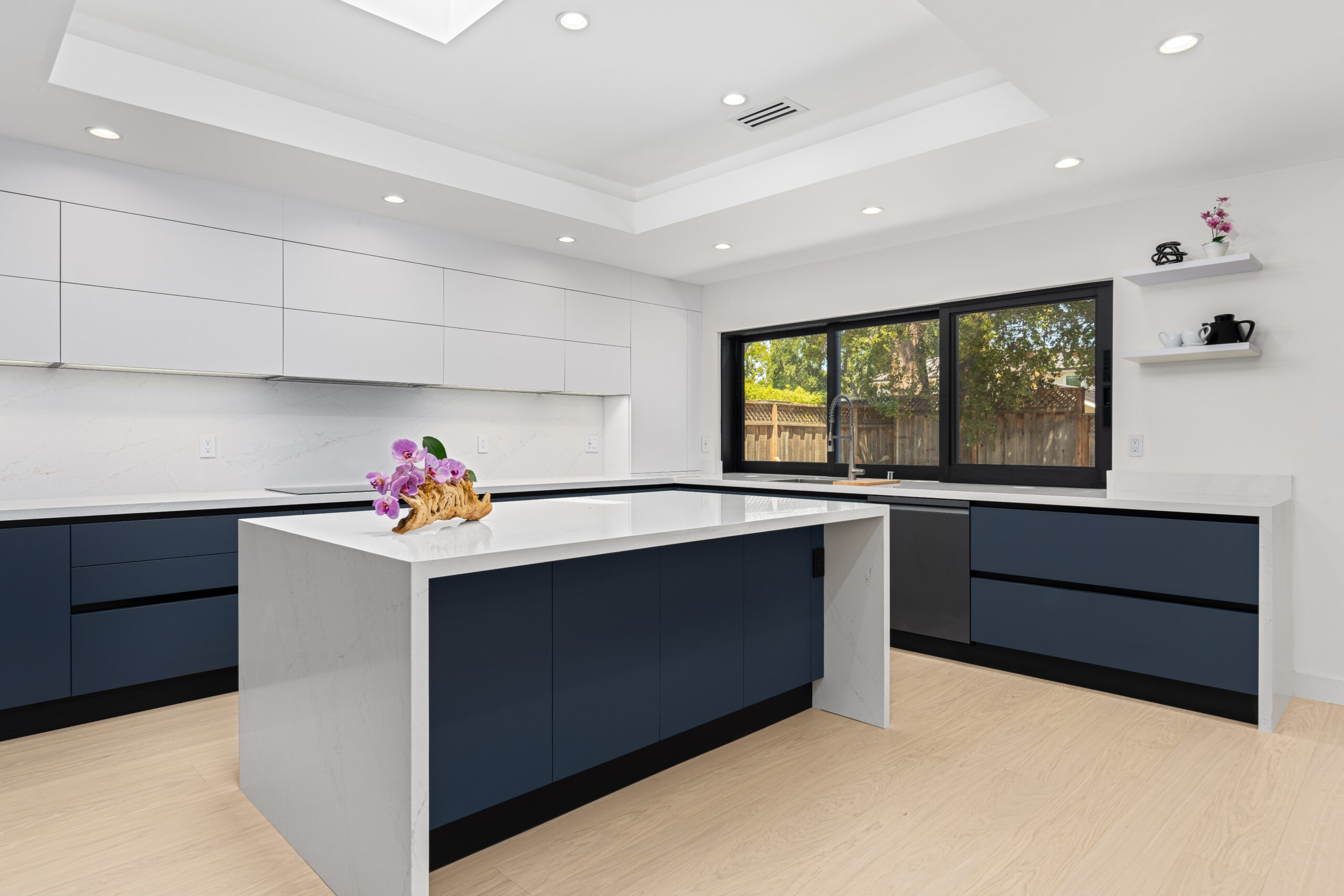
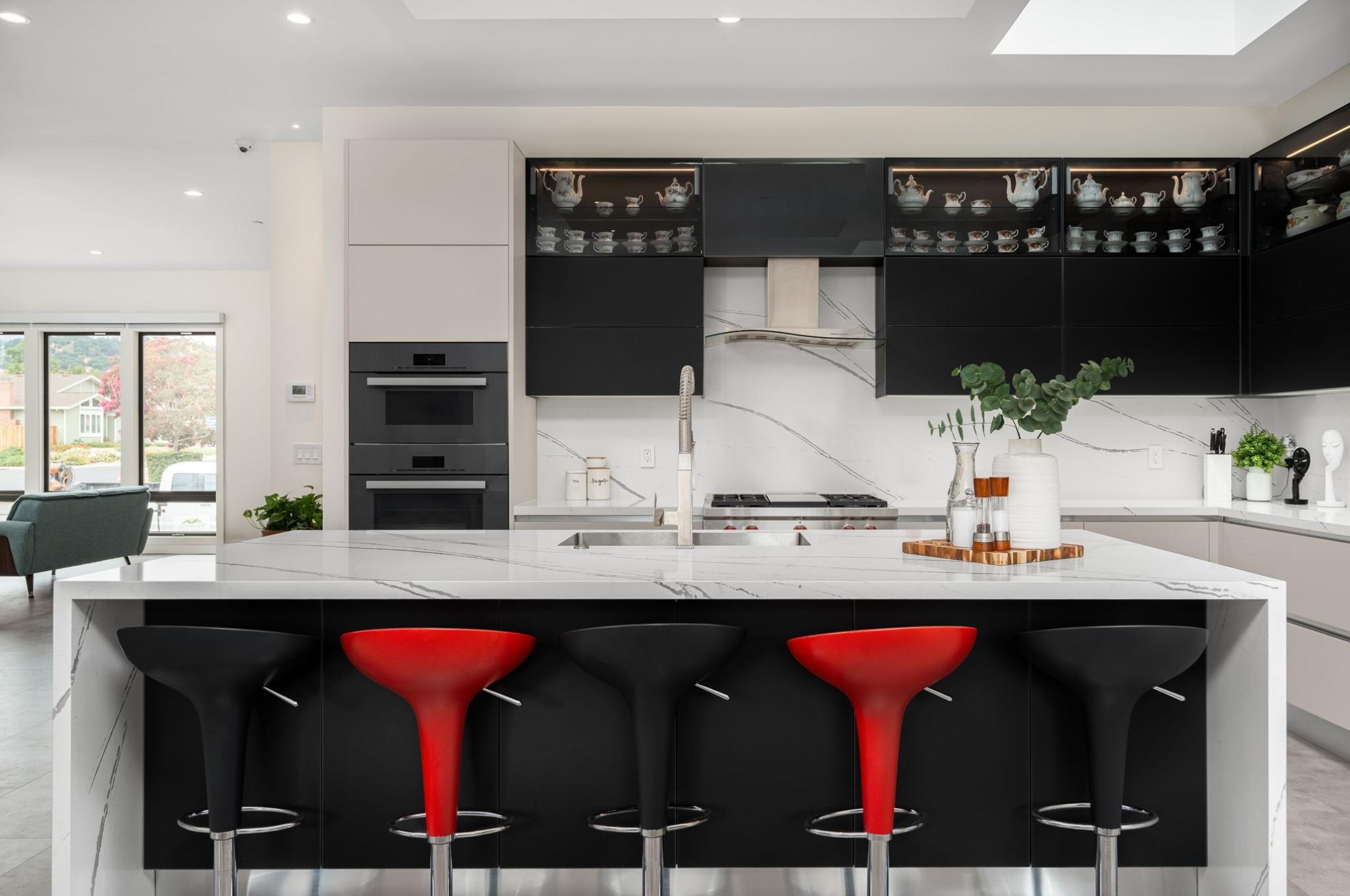
Italian cabinets are usually the stronger choice if you want a clean, modern, and cohesive kitchen. The finishes, cabinet proportions, handles, drawers, wall units, and tall storage pieces are designed as part of the same system. This creates a more intentional look.
Custom cabinets offer more freedom in theory. You can choose almost any wood species, door profile, finish, or dimension. But more freedom does not always mean a better result. Without strong design direction, custom cabinetry can easily feel inconsistent, especially in a modern kitchen where small details matter.
For homeowners who want a refined European aesthetic, Italian cabinets usually offer a clearer path from concept to finished kitchen.
Construction Quality
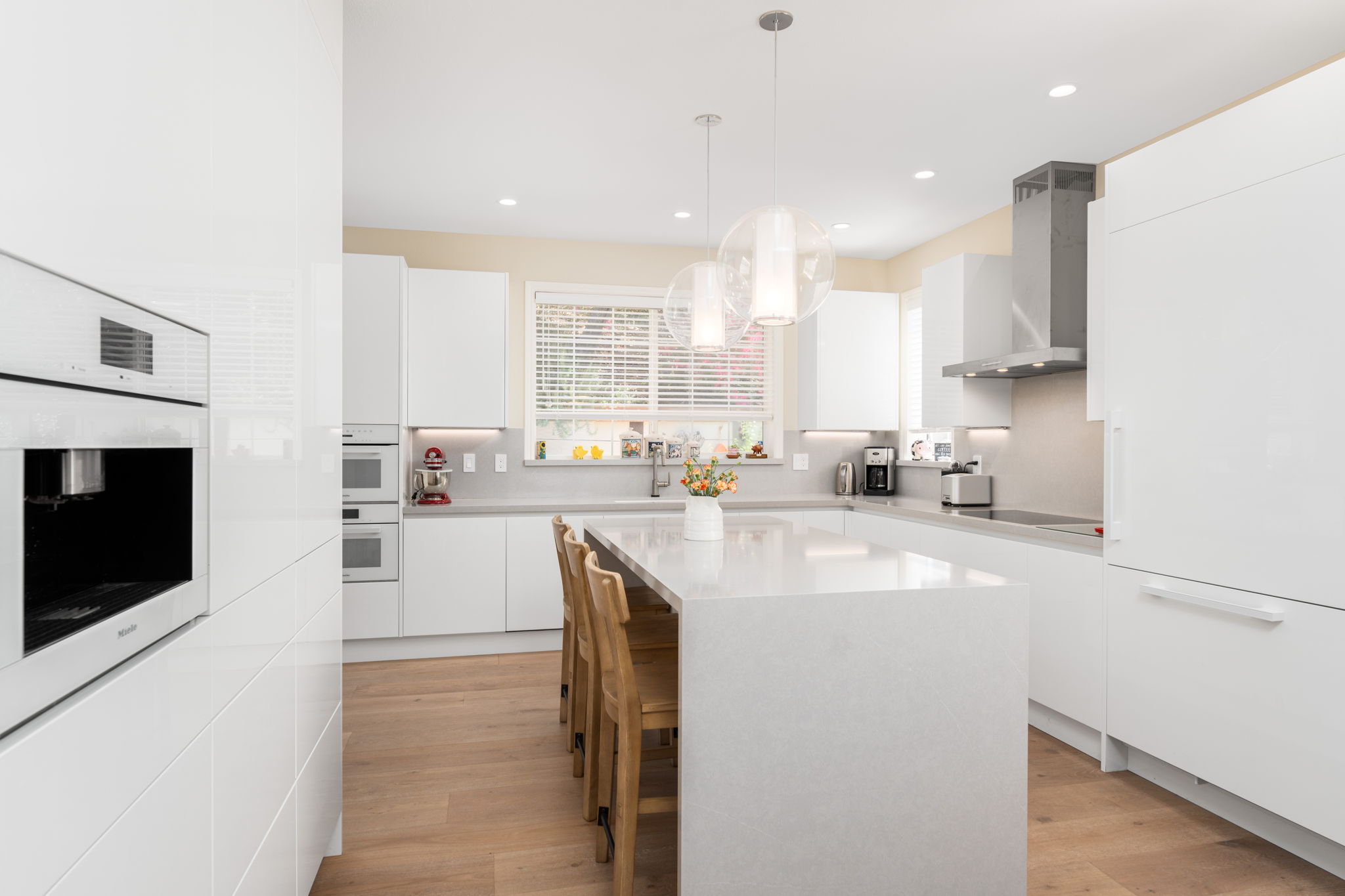
Italian kitchen cabinets are manufactured with precision and consistency. Cabinet boxes, hinges, drawers, and finishes are designed to fit together as part of one system. This reduces many of the variables that can happen with fully custom work.
Custom cabinets can match this quality, but only when the builder uses comparable materials, hardware, and finishing methods. Many local cabinet shops can produce beautiful cabinetry, but the final result depends heavily on the specific shop, the specifications, and the installer.
This is why comparing “custom” and “Italian” only by price can be misleading. A lower-priced custom cabinet may not include the same drawer systems, hinges, finish quality, or installation precision.
Cost and Value
Custom kitchen cabinets can become expensive because every detail requires individual labor. Changes in dimensions, finishes, inserts, or construction methods can increase both cost and timeline.
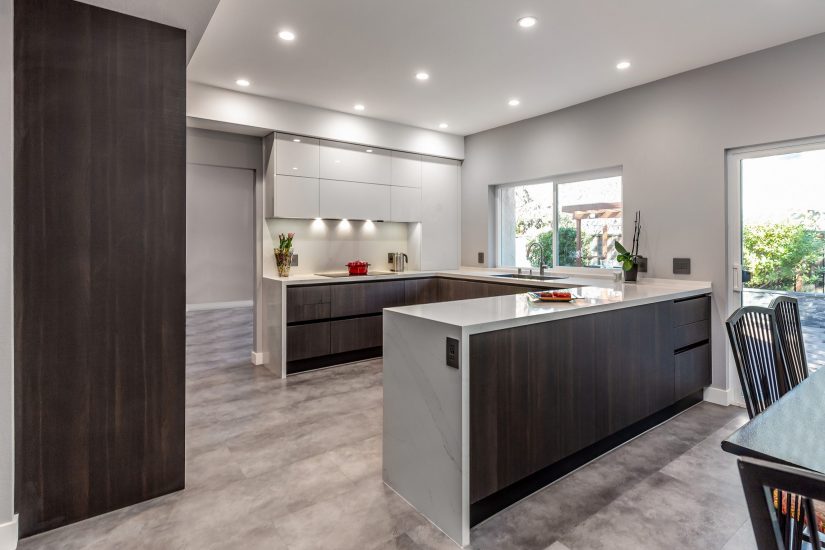
Italian kitchen cabinets are also premium products, but they often offer better value at a comparable quality level. Since the cabinets are produced through an established manufacturing system, homeowners can get high-end finishes, hardware, and design consistency without paying for every detail to be built from scratch.
The countertop choice should also be discussed early because it can affect the total remodel cost. If you are planning the full kitchen, it makes sense to review custom countertops at the same time as the cabinetry, so the materials, measurements, and installation timeline are coordinated from the beginning.
Lead Times and Project Process
Both custom and Italian kitchen cabinets require planning ahead. Custom cabinet timelines depend on the shop’s workload, material availability, and how many revisions happen during the design process.
Italian cabinets are also made after the order is confirmed, but the process is usually more structured. Once the design, finishes, and measurements are approved, production follows a clearer system.
Another advantage is project coordination. When you work with an Italian cabinet studio, the design, ordering, delivery, and installation are usually managed through one team. This can reduce the pressure on the homeowner and help avoid miscommunication between separate contractors.
Fit for Unusual Spaces
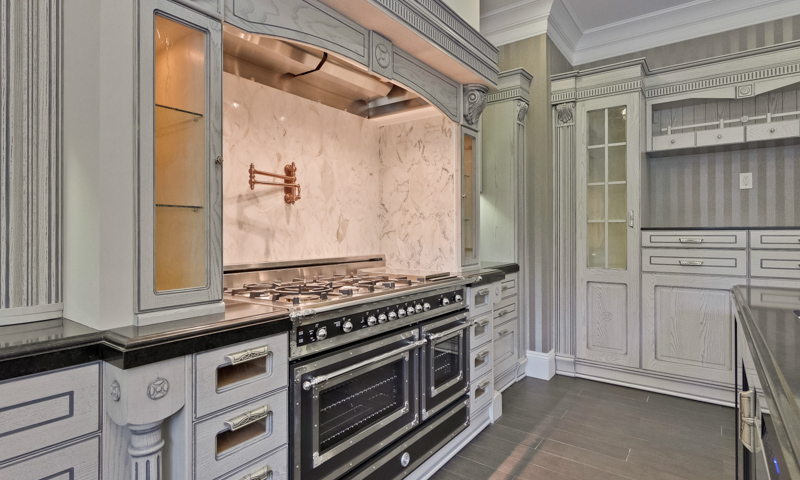
This is where custom cabinets have a real advantage. If your kitchen has a sloped ceiling, exposed beams, awkward corners, structural columns, or highly irregular dimensions, a local custom cabinetmaker may be able to build around those conditions more directly.
Italian cabinet systems can still work in most homes. They include fillers, tall units, panels, and flexible configurations that allow designers to adapt the system to different layouts. But for truly unusual spaces, custom fabrication may be the better option.
A good designer should identify this early. The goal is not to force an Italian system into every kitchen. The goal is to choose the cabinet solution that gives the best result for the space.
Which Option Is Right for You?
Italian kitchen cabinets are usually the better fit if you want a modern kitchen with clean design, consistent quality, and a more organized process. They work especially well for homeowners who want a polished European look without managing every cabinet detail from scratch.
Custom kitchen cabinets are the better choice if your space is highly unusual, if you want a very specific traditional detail, or if you prefer working directly with a local craftsman and have the time to manage the process carefully.
For most modern remodels, Italian cabinetry offers the stronger balance of design, quality, and value. But the right choice still depends on your space, your budget, and the level of customization you need.
See Italian Kitchen Cabinets in Person
The difference between custom and Italian cabinets is easier to understand when you can see the materials, finishes, drawers, and hardware in person. At European Cabinets & Design Studios, our team works with homeowners from the first design consultation through installation, helping them choose cabinetry, countertops, and finishes that fit the project.
You can browse the kitchen portfolio to see completed remodels, or speak to a designer at our Palo Alto showroom.
Schedule your visit today to explore the options in person and get expert guidance on your next kitchen remodel.